Voice AIRead Article
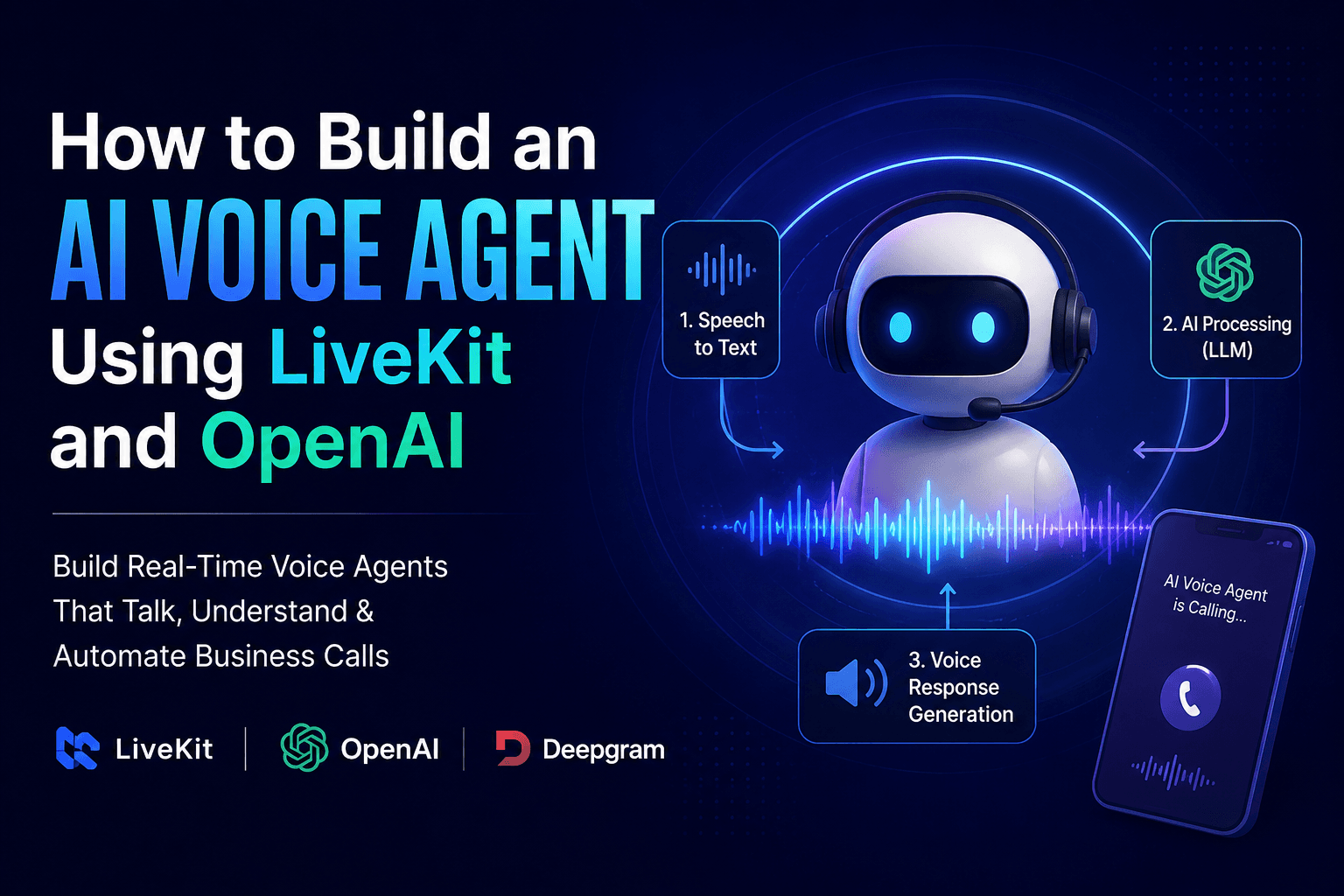
How to Build an AI Voice Agent Using LiveKit and OpenAI
Learn how AI voice agents automate business calls using modern AI tools.
July 2, 2026
8 min read
A deep dive into Sarvam AI's Bulbul TTS model — why it handles Hindi, Hinglish, and 10 other Indian languages better than global TTS providers, plus real pricing and integration guidance.
Written by
Akash Maurya
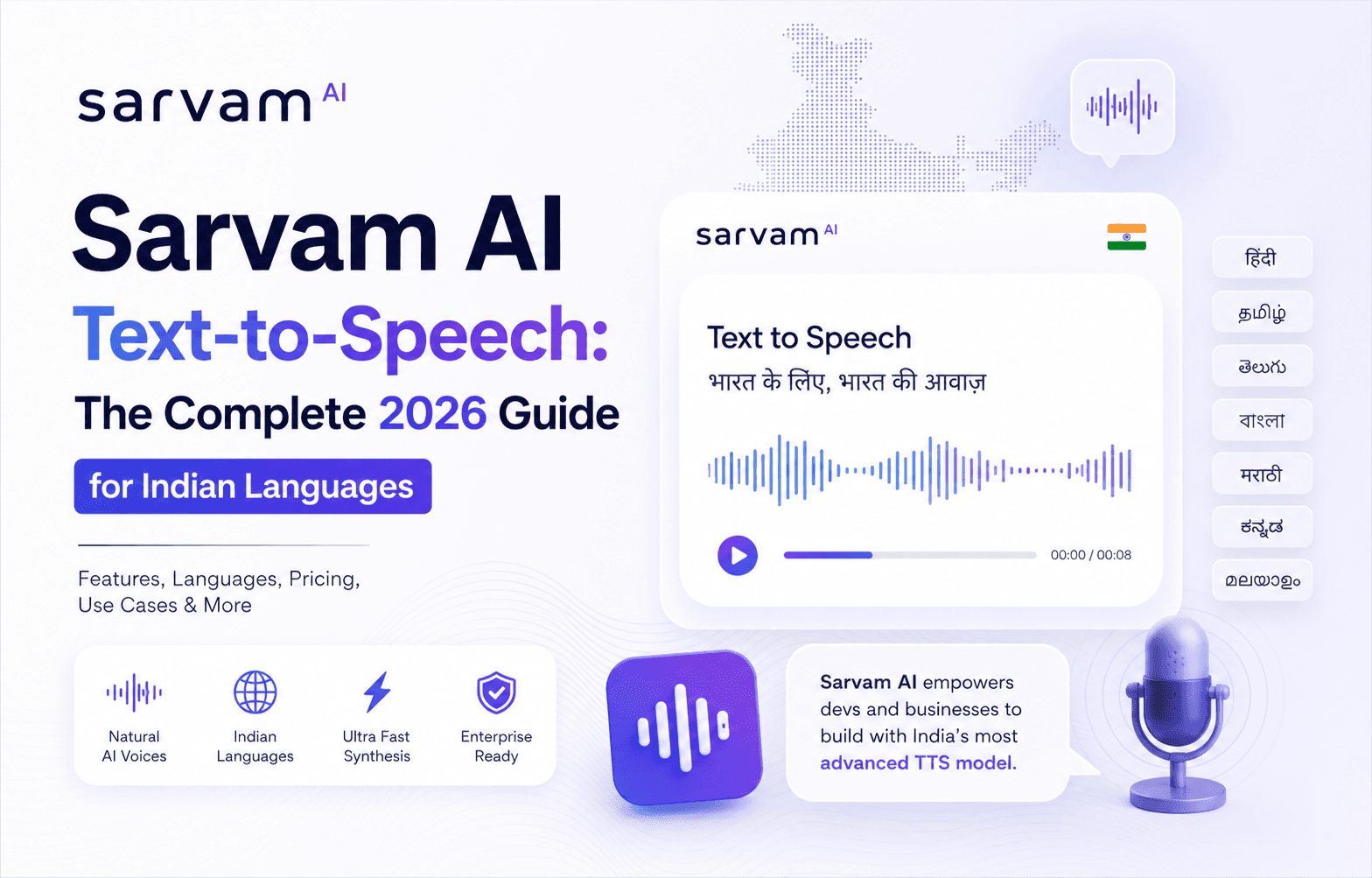
Most global TTS providers 'support' Hindi the same way they support any of 50+ languages — as one more entry in a list, trained on a general multilingual corpus. Sarvam AI took the opposite approach: build the model around how Indians actually speak, including code-switching between English and regional languages within a single sentence, which is normal communication for hundreds of millions of people and something generic TTS handles poorly. That specialization is the whole story of this guide.
This guide explains what makes Sarvam AI's Bulbul TTS model genuinely different from adapting a global TTS engine for Indian languages, walks through real pricing in INR, and covers the integration patterns for voice agents targeting Indian users.
An estimated 350 million+ Indians speak English as a second language and mix it freely with their primary language in everyday speech — 'Aapka order dispatch ho gaya hai, expected delivery by tomorrow evening' is completely normal communication, not broken grammar. Generic TTS systems handle this by detecting language boundaries and routing segments to separate engines, which produces audible pauses, accent shifts, or voice-quality changes exactly where the sentence switches language.
Bulbul V3 handles code-switching at the model level — it generates the entire mixed-language sentence in one pass, with no seams at the language boundary. This is the single biggest practical reason to choose Sarvam over a generic multilingual TTS provider for an India-focused voice product.
Bulbul V3 covers 11 Indian languages with 25+ voices, and Sarvam's broader stack (Saaras for STT) extends coverage to 22 Indian languages for speech recognition. The model also includes a text normalizer specifically built for Indian data — handling Indian names, PIN codes and landmark-based addresses, rupee currency amounts, and 10-digit Indian phone number formats correctly, which is a persistent failure point for global TTS engines.
Sarvam AI prices in Indian Rupees with pay-per-use billing across all APIs, starting with ₹1,000 in free credits on every plan.
| Service | Rate | Notes |
|---|---|---|
| Text-to-Speech (Bulbul V3) | ₹15–30 per 10,000 characters | Beta pricing; rounded up to the nearest character |
| Speech-to-Text (Saaras) | ₹30–45 per hour | Transcribes, translates, and identifies speakers |
| Translation API | ₹20 per 10,000 characters | For text translation between Indian languages |
| LLM (Sarvam chat models) | ₹2.5–16 per 1M tokens | Varies by model size and input/output type |
Pro Tip
For a voice agent generating roughly 50,000 characters of TTS output a month (a moderate-volume customer support line), expect ₹75–150/month in TTS cost alone — a fraction of an equivalent ElevenLabs Multilingual v2 bill at $0.30 per 1,000 characters overage rate.
| Dimension | Sarvam AI (Bulbul V3) | ElevenLabs / Generic Multilingual |
|---|---|---|
| Hindi/Indian language naturalness | Purpose-built prosody and stress patterns | English-trained patterns applied to Hindi |
| Hinglish/code-switching | Native, single-pass generation | Often breaks at language boundaries |
| Pricing currency & structure | INR, low per-character cost | USD, higher per-character cost at scale |
| Voice cloning quality (English) | Not the primary strength | Best-in-class |
| Latency | Sub-250ms streaming | Comparable with Flash/Turbo models |
Sarvam's core strength and training focus is Indian languages and code-switching; for pure high-quality English narration or voice cloning, established global providers like ElevenLabs remain stronger.
Yes — this is exactly the use case Bulbul V3 is built for, including callers who switch between the two mid-sentence.
Sarvam AI is ISO certified and SOC 2 Type II compliant, and is already used by large Indian enterprises for multilingual customer conversations at scale.
For any voice product targeting Indian users — customer support, banking IVR replacement, healthcare appointment calls, regional content — generic English-trained TTS models apply English stress patterns and prosody to Hindi and other Indian-language text, producing audio that's technically intelligible but sounds distinctly wrong to native speakers. They also break on Hinglish (mixed Hindi-English), which is how a large share of Indian callers actually talk, not an edge case.
Sarvam AI's Bulbul V3 model is trained specifically on Indian languages and code-mixed speech patterns, handling Hinglish, Tanglish, and similar mixes in a single generation pass rather than detecting language boundaries and switching engines mid-sentence — which eliminates the jarring pause or accent shift that generic pipelines produce at every language switch.
Written by Akash Maurya.
Published on July 15, 2026 • Updated on July 15, 2026
Learn how AI voice agents automate business calls using modern AI tools.
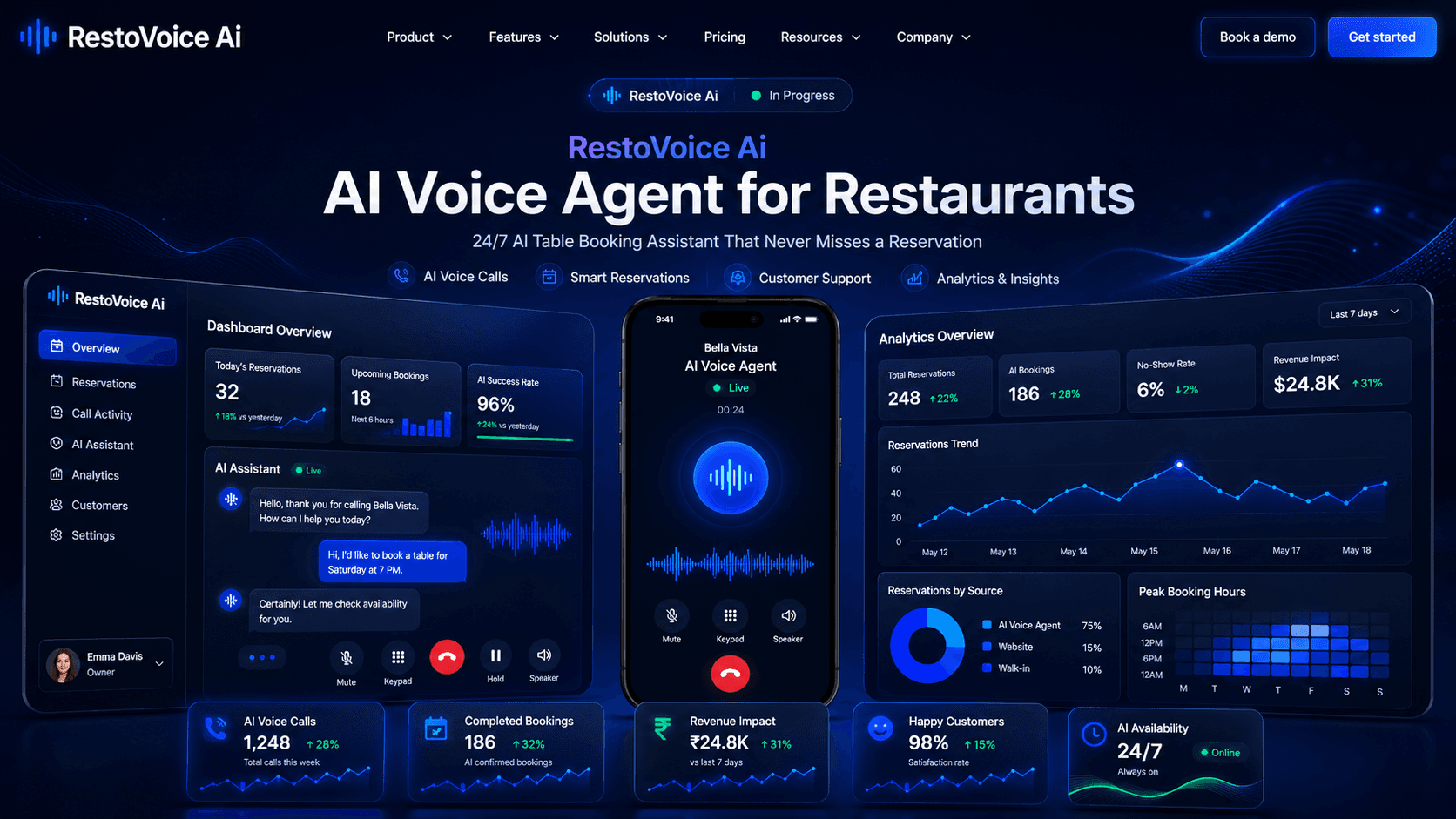
A senior engineer's field guide to deploying AI phone agents that take reservations, answer menu questions, and stop restaurants from losing money on missed calls.
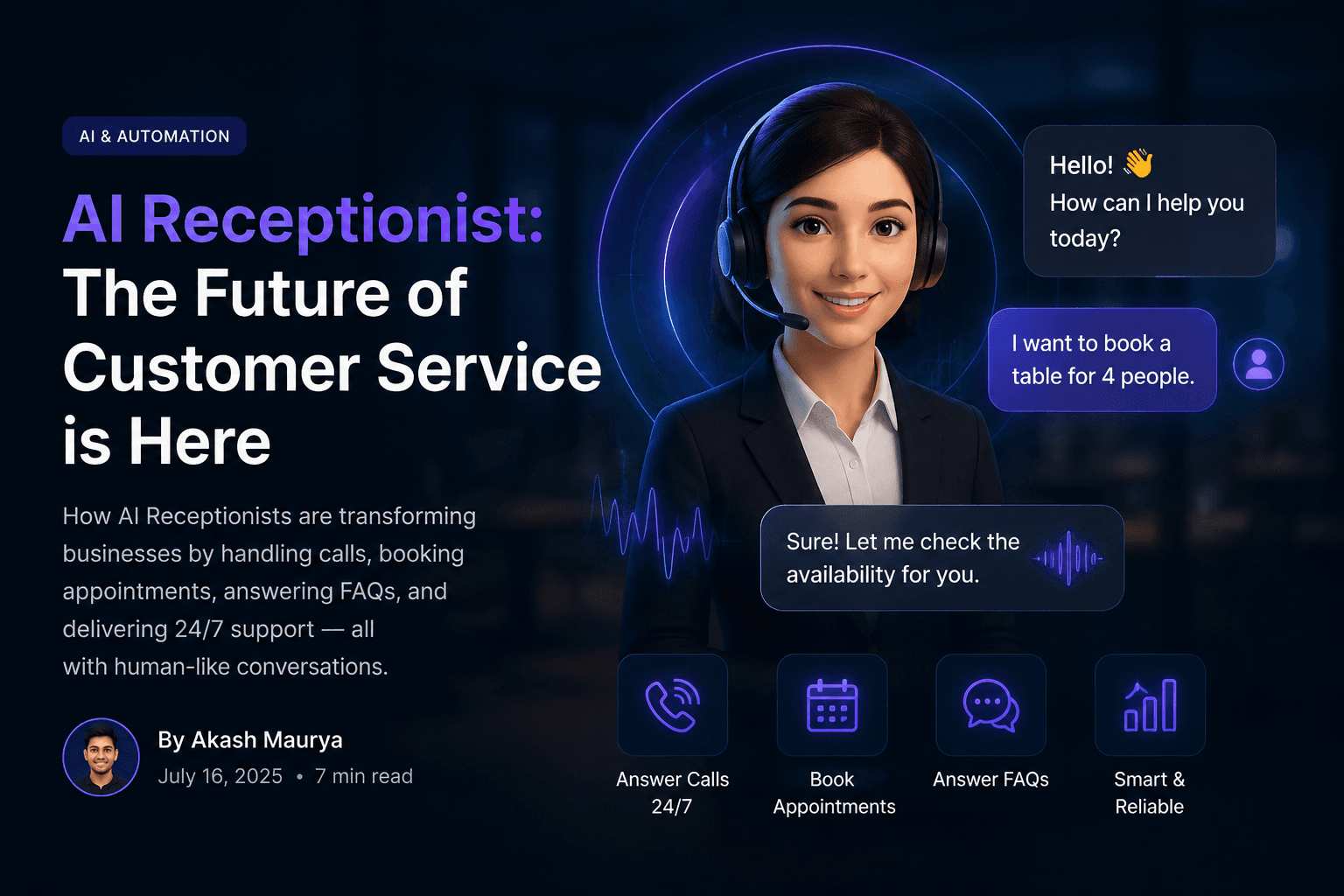
A practical look at how AI receptionists work, where they genuinely outperform humans, where they don't, and how to deploy one without breaking the guest or customer experience.
I build modern AI Voice Agents, SaaS platforms, automation systems, and full-stack applications that help businesses automate operations and improve customer experiences.